Replacing your home’s windows is a major investment, and one of the most important decisions you’ll need to make is choosing the right window style. Two of the most common styles—double-hung windows and casement windows—might look simple at first glance, but the differences in how they operate, perform, and function in your home can have a big impact on comfort, airflow, safety, and even energy costs.
This guide walks you through how each style works, their strengths, their limitations, and what types of homes and rooms they’re best suited for. By the end, you should have a clear sense of which window type fits your needs and lifestyle.
Understanding Double-Hung Windows
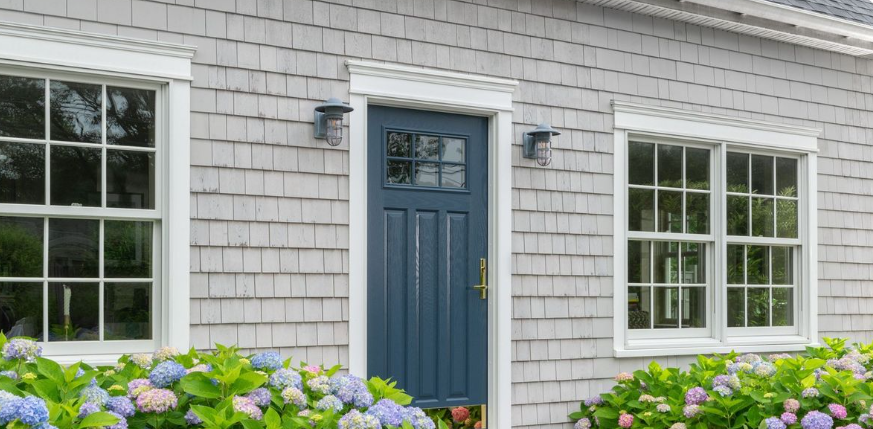
Double-hung windows are the classic style many homeowners recognize. With two sashes that slide up and down, they allow for flexible ventilation and a timeless architectural look.

Homeowners often appreciate double-hung windows because they blend practicality with ease of use. Their simple vertical motion makes them intuitive, and the ability to open either sash gives you more control over how air moves through a room.
Key Benefits of Double-Hung Windows
- Easier Maintenance
Many modern double-hung windows include tilt-in sashes, which allow you to wash the exterior glass from inside your home—especially helpful for upper floors.
- Flexible Airflow
Opening the top sash allows warm air to escape near the ceiling while keeping the bottom secure. Opening the bottom sash lets in a fresh breeze.
- Safe for Kids and Pets
Because you can keep the lower sash closed and still ventilate through the top, double-hung windows naturally reduce fall risks.
- Perfect for Traditional Homes
Their classic appearance pairs well with Colonial, Victorian, Cape Cod, and farmhouse-style exteriors.
When Double-Hung Windows Work Best
Double-hung windows are a strong fit for rooms where appearance and cleanability matter. Bedrooms, living rooms, dining areas, and spaces facing walkways or porches benefit from their non-protruding design. They’re also ideal for homeowners who want a window that’s low maintenance, blends with traditional architecture, and offers customizable airflow.
Understanding Casement Windows
Casement windows open outward on side hinges and use a crank mechanism for operation. This gives them a unique ability to swing open like a door, creating a wide, unobstructed opening that brings in a significant amount of fresh air.

Casement windows are often chosen for rooms where ventilation, natural light, and energy performance are priorities. Their design allows them to “catch” breezes and direct airflow into your home, making them a favorite in kitchens or areas that tend to feel stuffy.
Key Benefits of Casement Windows
- Superior Ventilation
Because they swing fully open, casement windows allow more airflow than most operable window styles.
- Excellent Energy Efficiency
Casements seal tightly when closed. The sash presses firmly against the frame, reducing drafts and improving insulation.
- Clear, Wide Views
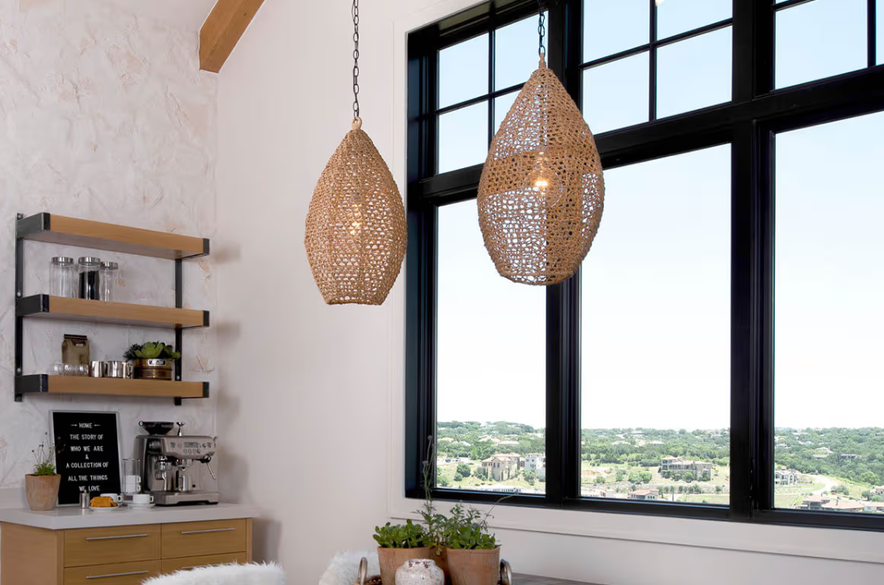
Without a middle rail breaking up the glass, casements offer a clean, modern appearance and let in more natural light.
- Ideal for Hard-to-Reach Spaces
The crank mechanism makes them easy to operate above counters, sinks, and other areas where a sliding sash might be inconvenient.
When Casement Windows Work Best
Casement windows shine in kitchens, bathrooms, home offices, and spaces with scenic views. They’re also a smart choice for homes in windy areas or climates where energy efficiency is a priority. Their modern look makes them popular in newer builds or remodels aiming for a contemporary aesthetic.
How to Decide Which Window Is Right for You and Your Home
Choosing between double-hung and casement windows comes down to understanding your priorities and the conditions of each room. Here are a few questions to help guide your decision:
1. How Important Is Ventilation?
If airflow is your top concern, casement windows generally perform better. They can open fully and direct breezes inward. Double-hung windows still offer solid ventilation but not the same volume of air.
2. Do You Prefer Easy Cleaning?
Double-hung windows often win here. Their tilt-in sashes allow you to clean exterior glass from inside—particularly useful for second-story windows.
3. What Style Fits Your Home?
Traditional or historic homes typically look best with double-hung windows.
Modern or newly renovated homes often benefit from the sleek look of casements.
4. Are You Concerned About Energy Efficiency?
Casement windows provide one of the tightest seals of any operable window type, making them a strong choice for improving efficiency. However, high-quality double-hung windows from leading brands still offer excellent performance.
5. How Much Space Do You Have Outside?
Since casement windows swing outward, they aren’t ideal near walkways, decks, or landscaping features. In tight exterior spaces, double-hungs are usually the safer choice.
Real-Life Situations Where Each Window Excels
Sometimes it's easier to decide by imagining how the windows work in daily life.
Double-hung examples:
- You have a toddler and want ventilation without opening a low sash.
- Your second-story windows are difficult to reach from outside.
- The exterior of your home has shutters or structures that would block a window swinging outward.
Casement examples:
- Your kitchen gets warm when cooking and needs fast airflow.
- You want to modernize a room with a wider, unobstructed view.
- You live in a windy area and want the tightest seal possible.
Most homeowners find that the right solution is a mix: double-hungs in traditional living spaces and bedrooms, with casements in kitchens, bathrooms, and rooms with scenic views.
How ACRE Windows & Doors Helps You Make the Right Choice
Because every home—and every homeowner’s priorities—are different, ACRE Windows & Doors offers personalized, in-home consultations. We bring samples, compare materials, and walk you through performance differences between options from Andersen®, Marvin®, and our own Acre Energy Pro™ line.
Our specialists help you understand:
- How each window will function in your space
- What the energy savings can look like
- How different styles change your home’s appearance
- What long-term maintenance will involve
- Which materials and brands match your budget
With certified installers and years of experience, ACRE ensures your new windows perform beautifully and add value to your home for years to come.
Ready to Choose the Right Windows for Your Home?
Whether you’re leaning toward double-hung, casement, or a mix of both, ACRE Windows & Doors can help you compare options and feel confident in your choice.
Schedule your free consultation today and take the first step toward a more comfortable, energy-efficient home.