If you live near the Jersey Shore, you already know your home works harder than an inland property. Salt air, high humidity, intense sun exposure, and the occasional nor'easter or tropical storm all take a toll on a home's exterior, and windows and doors are often the first place that damage shows up. Understanding why coastal conditions are so much tougher on windows and doors, and what to look for, can help you catch problems early and make smarter decisions about materials the next time you're ready to upgrade.
Homeowners from Long Beach Island up through Monmouth County often tell us the same thing: they replaced a window or door once, expected it to last as long as it would for a friend or family member further inland, and were surprised when hardware or seals started showing wear years ahead of schedule. That's not bad luck, it's simply what happens when standard products are asked to perform in a much harsher environment than they were originally designed for. Once you understand what's actually happening to your windows and doors over time, it becomes a lot easier to plan ahead instead of being caught off guard by a problem that's been building for years.
Why Coastal Homes Face a Different Set of Challenges
Homes just a few miles inland deal with normal weather wear. Homes along the Jersey Shore deal with all of that, plus a few additional stressors that accelerate how quickly windows and doors break down.
Salt air and corrosion Salt in the air doesn't just affect boats and cars. It settles on window frames, hardware, and door components, and over time it can corrode metal parts like hinges, locks, and rollers. Even frames that look fine on the surface can have hardware that's slowly deteriorating underneath, which is why sticking locks or hard-to-operate cranks tend to show up sooner in shore homes than inland ones.
Humidity and moisture exposure Higher humidity levels near the water mean more moisture in the air year-round. This can affect certain frame materials more than others, causing swelling, warping, or accelerated wear on seals and weatherstripping. Homes closer to the water often see condensation and moisture-related issues sooner than homes further inland, simply because there's more ambient moisture working against the materials every day.
Intense UV exposure Coastal properties often get more direct, unobstructed sunlight, especially homes without a lot of surrounding tree cover. Prolonged UV exposure can fade frame finishes, degrade certain seals faster, and cause some materials to become brittle over time. It's not just about how a window looks either, this kind of exposure can shorten the useful life of the components that keep a window performing properly.
Wind-driven rain and storm exposure Shore homes are more likely to experience wind-driven rain, where water is pushed sideways into a window or door opening rather than falling straight down. This puts more pressure on seals and weatherstripping than a typical rainstorm would, and it's a major reason coastal homes are more prone to leaks around window and door frames if those components aren't properly rated for the exposure.
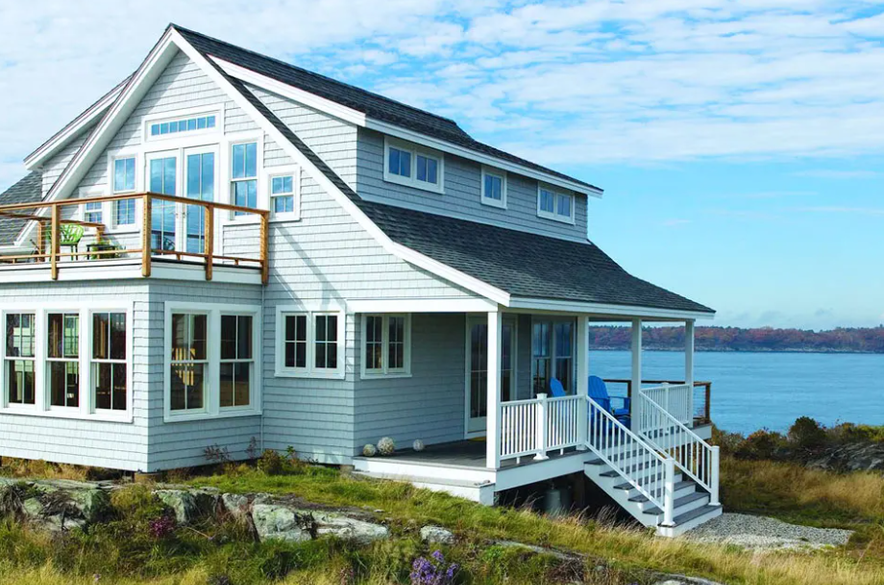
Not All Coastal Exposure Is the Same
One thing worth understanding is that "coastal weather" doesn't affect every home along the Shore equally. A few factors influence just how much wear your specific home is likely to experience. Distance from the water matters most, a home directly on the beach block will generally see faster salt-related wear than one ten or fifteen blocks inland, even within the same town. Prevailing wind direction plays a role too, since homes that face directly into the prevailing ocean winds tend to take on more salt spray and wind-driven rain than homes oriented differently, even on the same street.
Elevation and surrounding structures can make a difference as well. A home with taller neighboring buildings or dense landscaping nearby may be somewhat shielded compared to one with an open, unobstructed exposure to the water. Bay side versus ocean side exposure matters too, since bayfront homes often deal with different conditions than oceanfront properties, generally somewhat less direct salt spray, but still elevated humidity and moisture exposure compared to inland homes.
This is part of why a one-size-fits-all recommendation doesn't really work for coastal homes. A home a block from the beach in Seaside Heights and a home a mile inland in the same town may need meaningfully different materials and specifications, even though both are technically "shore homes."
Signs Your Windows or Doors Are Being Affected
Because these effects build up gradually, it's easy to miss the early signs. A few things worth keeping an eye on if you live near the water:
- Hardware (locks, cranks, hinges, rollers) that feels stiff, corroded, or difficult to operate compared to when it was new
- Visible pitting, discoloration, or rust on any metal components
- Frames that look chalky, faded, or have lost their original finish, especially on the side of the home facing the water or getting the most direct sun
- Increased drafts or leaks during storms, even if the window seemed fine on a calmer day
- Wood components that feel soft or show signs of rot, particularly at the base of doors or window sills
- Sliding doors or windows that have become noticeably harder to open and close over the past year or two
If several of these sound familiar, it doesn't necessarily mean you need a full replacement right away, but it's worth having a professional take a look to determine whether you're dealing with normal wear or something that's progressed further.
What to Look for in Windows and Doors for Coastal Homes
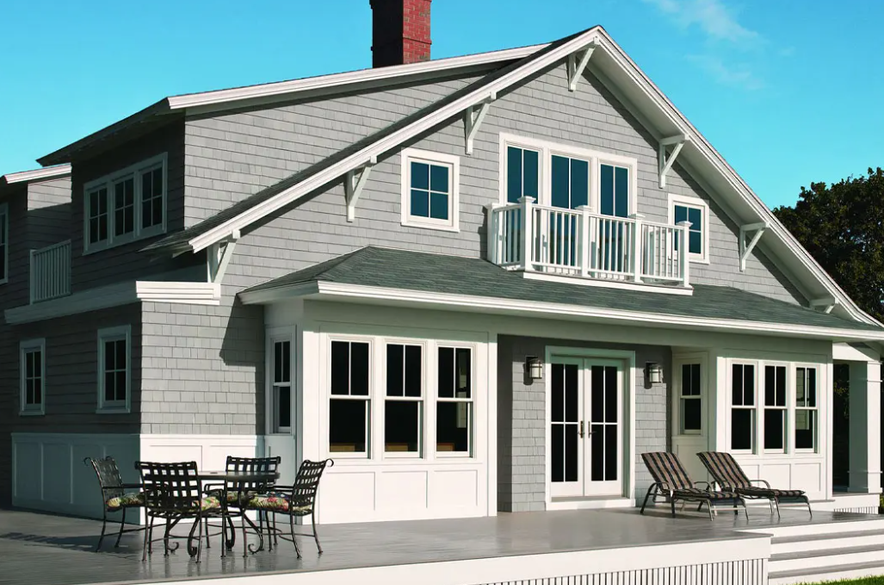
If you're planning a replacement and live in a coastal area, not all windows and doors are built to handle that environment equally well. A few factors matter more here than they might for an inland home. Material resistance to corrosion is one of the biggest considerations, since hardware and frame materials that hold up better against salt air exposure will last longer than standard options, especially around locks, hinges, and rollers that see the most direct exposure over time. Impact-rated or storm-rated glass is another important factor, and depending on your specific location and exposure, glass rated for wind-borne debris can offer better protection and peace of mind during storm season, particularly for homes closer to the water or without much surrounding shelter. Quality of seals and weatherstripping matters more here too, since wind-driven rain puts more pressure on seals than a typical inland storm would, making higher-quality weatherstripping a bigger factor in a coastal environment than it might be elsewhere.
Proper installation ties everything together. Even the best-rated window or door won't perform as expected if it's not installed correctly, and gaps or improper sealing during installation can undermine even premium, storm-rated products.
Maintenance Habits That Help Coastal Homes Specifically
While no window or door is entirely immune to coastal wear, a few habits can help slow the process:
- Rinse salt residue off frames and hardware periodically, especially after storms, rather than letting it sit and build up
- Keep an eye on hardware function throughout the year, not just when something visibly breaks, since corrosion often starts internally before it's obvious from the outside
- Address small caulking gaps or seal issues promptly, since coastal conditions tend to make small problems progress faster than they would inland
Why Choose ACRE

At Acre Windows & Doors, we've worked with homeowners throughout the Jersey Shore and understand that coastal properties need a different level of consideration than a standard inland replacement.
- Andersen Certified Elite Contractor status means our team has the training and product knowledge to help you choose materials genuinely suited for coastal exposure, not just what's popular inland.
- No subcontractors. The same team that consults with you about your coastal home's specific needs is directly involved in the installation, which matters even more when proper sealing and installation quality make such a difference in a high-exposure environment.
- 0% financing options make it easier to invest in the right materials for your home's environment without needing to compromise on quality to fit a budget.
- Free in-home consultations let our team assess your home's specific sun exposure, wind exposure, and existing wear before recommending anything.
Ready to Protect Your Shore Home?
Coastal living comes with a lot of upside, but it also means your windows and doors are working harder than most. If you've noticed any of the signs above, or you're planning ahead for your next window or door project, it's worth having a conversation with a team that understands what makes coastal homes different.
Schedule your free in-home consultation with ACRE today and let's make sure your home is ready for everything the Jersey Shore brings.