
If your windows are drafty, foggy, or just plain old, you've probably run into two very different terms while researching solutions: window inserts (also called pocket replacement or insert replacement) and full-frame replacement. They sound similar, but they're actually two distinct approaches with different costs, timelines, and long-term outcomes.
Choosing between them isn't just a matter of preference. It depends on the condition of your existing window frames, your budget, your home's age, and how long you plan to stay in the house. This guide breaks down exactly what each option involves, how they compare, and how to figure out which one makes sense for your project.
What Is a Window Insert?
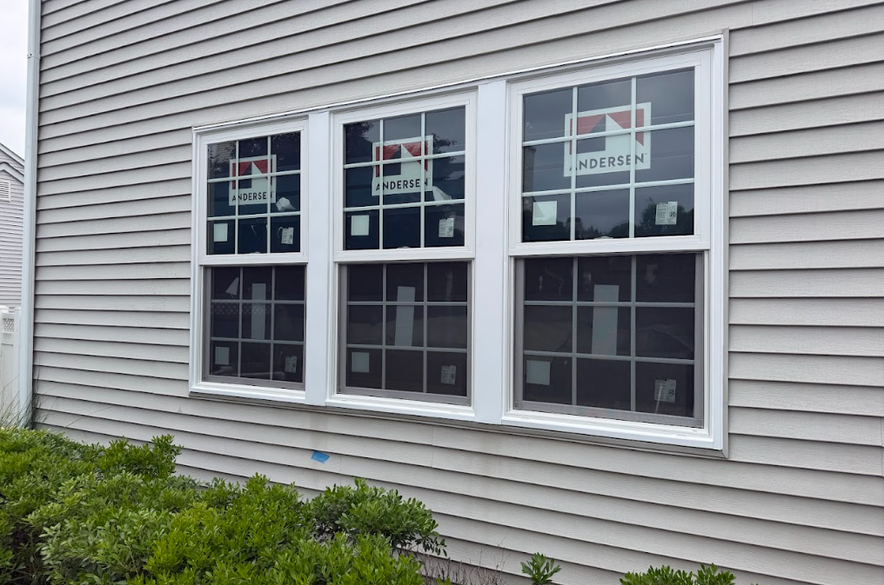
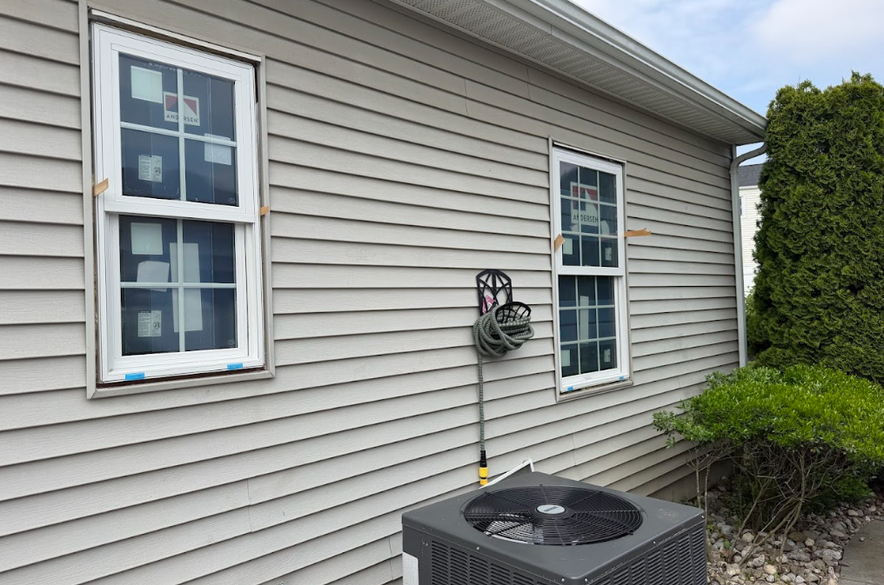
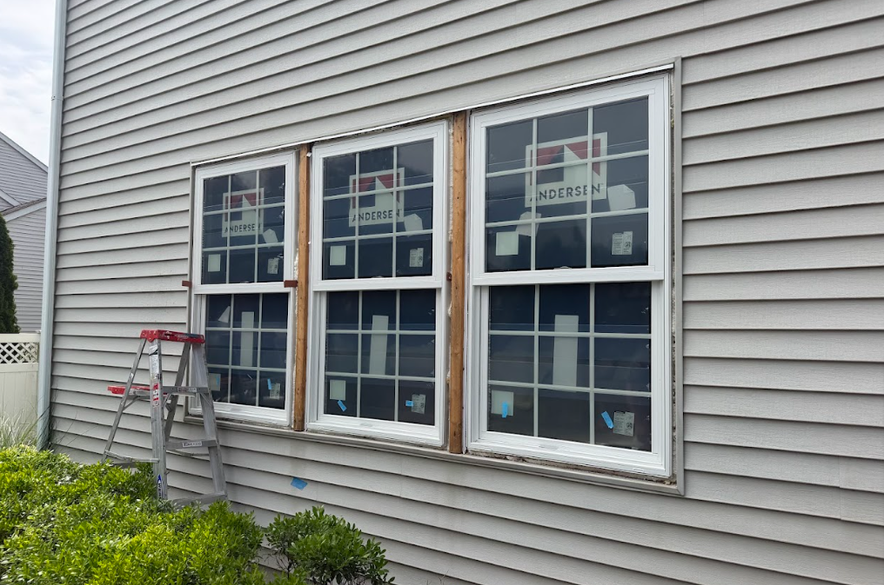
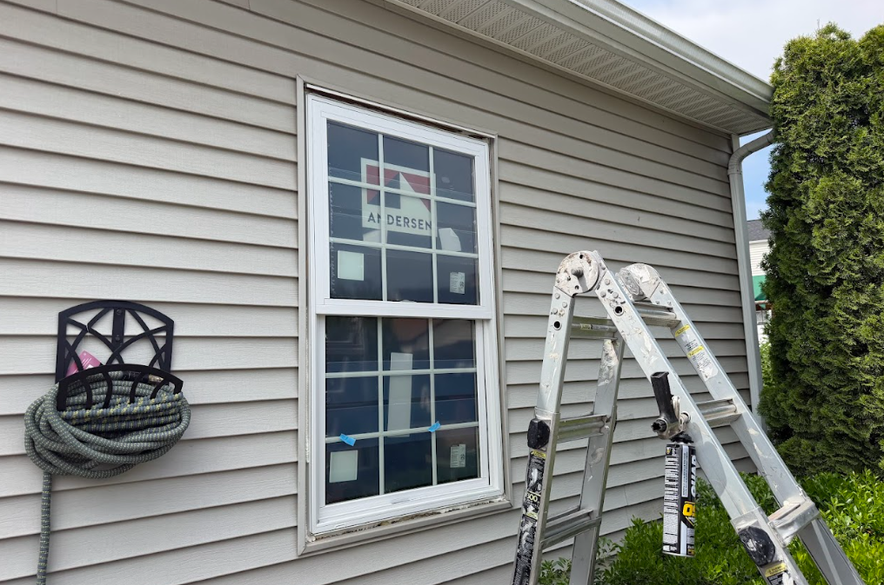
A window insert, sometimes called a "pocket replacement" or "retrofit window," is a new window unit that's built to fit precisely inside your existing window frame. Instead of removing the old frame down to the studs, installers simply take out the old sashes (the moving parts that hold the glass) and slide the new, fully assembled window into the original frame, then secure it in place.
This approach works because the existing frame, jambs, and exterior trim stay exactly where they are. The new insert essentially becomes a window within a window, using the structural opening that's already there.
Inserts are most common in:
- Homes where the original wood or vinyl frames are still structurally sound
- Renovation projects where preserving exterior trim or siding is a priority
- Situations where the homeowner wants a faster, less invasive installation
- Multi-unit buildings or condos where exterior work is restricted by HOA rules

What Is a Full-Frame Replacement?
A full-frame replacement, also known as a "new construction" installation, removes the entire existing window unit, including the frame, jambs, and sometimes the surrounding trim and exterior cladding. The installer then sets a brand-new window into the open stud cavity, similar to how windows are installed in new home construction.
Because this method exposes the rough opening, it gives contractors direct access to the structural elements around the window. That access matters more than it might seem.
Full-frame replacement is typically necessary when:
- The existing frame is rotted, warped, water-damaged, or structurally compromised
- There's visible mold or moisture damage around the window opening
- The homeowner wants to change the window's size or shape
- The home has settled or shifted, leaving the opening out of square
- A full exterior renovation (new siding, new trim) is already underway
Key Differences at a Glance
While both options result in a "new window," the process, cost, and long-term performance can differ significantly. Here's how they stack up across the factors that matter most:
Scope of work: Inserts replace only the operable window unit within the existing frame; full-frame replacement removes everything down to the rough opening.
Installation time: Inserts typically take 30–60 minutes per window; full-frame replacement can take 2–4 hours per window due to additional demolition and rebuilding.
Disruption: Inserts are far less invasive, often requiring no interior or exterior trim removal; full-frame jobs usually involve interior drywall or trim work and exterior siding adjustments.
Cost: Inserts generally run 10–30% cheaper than full-frame replacement, largely due to reduced labor and material needs.
Access to structural issues: Inserts can't address hidden problems like rot or moisture damage; full-frame replacement exposes the opening so those issues can be repaired.
Glass and frame size: Inserts slightly reduce the visible glass area (since the new frame nests inside the old one); full-frame replacement allows the original glass-to-frame ratio to be restored or even improved.
Energy efficiency potential: Both can use modern energy-efficient glass and frame materials, but full-frame replacement allows for proper insulation and air-sealing around the entire opening, which can outperform inserts in older or poorly built homes.
Best suited for: Inserts work well for sound frames needing an upgrade; full-frame replacement is the right call for damaged, rotted, or out-of-square openings.
Cost Considerations
Cost is usually the first question homeowners ask, and it's a reasonable place to start. Window inserts tend to be the more budget-friendly option because the labor is simpler and faster, and there's less material waste since the existing frame and trim are reused. On a typical home with a dozen or so windows, choosing inserts over full-frame replacement can mean meaningful savings on the overall project.
That said, the cheaper option isn't automatically the better value. If your existing frames have hidden rot, moisture intrusion, or insect damage, installing an insert over that problem doesn't fix it. It just locks a new window in front of an issue that will likely resurface, potentially leading to more expensive repairs down the road. In those cases, the higher upfront cost of full-frame replacement is actually the more economical choice over the life of the window.
A rough way to think about it: inserts save you money on the installation itself, while full-frame replacement protects you from future repair costs tied to structural problems you can't see from the inside.
Performance and Energy Efficiency
Both inserts and full-frame replacements can dramatically improve a home's energy efficiency compared to old, single-pane or poorly sealed windows. The glass and frame technology used in modern replacement windows, such as double or triple-pane glass, low-E coatings, and insulated vinyl or fiberglass frames, is largely the same regardless of which installation method you choose.
Where the two methods diverge is in how well the window is sealed against the surrounding structure:
Full-frame replacement allows installers to add fresh insulation and a continuous air and moisture barrier around the entire window opening, which can reduce drafts and energy loss more effectively, especially in older homes with outdated framing.
Insert windows rely on the existing frame's seal and structure. If that frame was well-built and is still in good shape, the performance difference is often minor. If the existing frame has gaps, warping, or deteriorated weatherstripping, those issues can limit how much efficiency the insert actually delivers.
For homes built in the last few decades with frames in good condition, inserts usually provide a strong efficiency upgrade at a lower cost. For older homes, or those with a history of moisture problems, full-frame replacement tends to deliver a more reliable, long-term improvement.

Pros and Cons Side-by-Side
Window Inserts
Pros:
- Lower cost than full-frame replacement
- Faster installation with minimal disruption to interior and exterior finishes
- Preserves existing trim, siding, and architectural details
- Good option for homes in historic districts with strict exterior appearance rules
Cons:
- Cannot fix underlying frame damage, rot, or moisture issues
- Slightly reduces visible glass area since the new unit sits inside the old frame
- Long-term performance is limited by the condition of the existing frame
- Not suitable if the opening is out of square or structurally compromised
Full-Frame Replacement
Pros:
- Addresses hidden structural issues like rot, mold, or water damage
- Allows for proper insulation and air-sealing around the entire window opening
- Restores full glass area and can correct an out-of-square opening
- Offers the option to resize or change the window's shape
Cons:
- Higher cost due to additional labor, materials, and finishing work
- Longer installation time and more disruption to interior and exterior surfaces
- May require touch-up work on drywall, trim, paint, or siding after installation
- More complex project that typically requires a more experienced installation crew
- How to Decide Which Option Is Right for You
Making the right call usually comes down to answering a few honest questions about your home's current condition and your goals for the project.
Start by inspecting the existing frames closely, both inside and outside. Look for soft or discolored wood, peeling paint that could indicate moisture, visible gaps around the frame, or difficulty opening and closing the window smoothly. Any of these signs point toward a frame that may not be a good candidate for an insert.
Next, think about your timeline and budget. If you're working with a tight budget and your frames are in solid shape, inserts offer a faster, less expensive path to better-performing windows. If your home is older, has a history of leaks, or you're already planning exterior renovations, it often makes more financial sense to handle the window replacement as a full-frame job while the surrounding area is already exposed.
Finally, consider your long-term plans for the home. If you intend to stay for many years, investing in full-frame replacement where frames are questionable can prevent costly repairs later. If you're updating a home you plan to sell in the near term, inserts can provide a solid visual and performance upgrade without the larger investment.
Frequently Asked Questions
Can I mix inserts and full-frame replacement in the same project? Yes. Many homeowners choose inserts for windows with healthy frames and full-frame replacement for windows showing signs of damage. A qualified contractor can assess each window individually rather than treating the whole house as one uniform decision.
Will window inserts look different from full-frame replacements? From the inside, the difference is usually subtle, mainly a slightly smaller glass area with inserts. From the outside, both methods can look nearly identical once trim and finishing work are complete, assuming the installation is done well.
How do I know if my window frames are too damaged for inserts? A contractor can check for soft wood, separation between the frame and the wall, visible mold, or signs of past water intrusion. If the frame doesn't feel solid when pressed or shows discoloration, it's worth getting a full-frame replacement quote as a comparison.
Is full-frame replacement always better for energy efficiency? Not necessarily. If your existing frames are sound and well-sealed, an insert with modern energy-efficient glass can perform very similarly to a full-frame replacement. Full-frame replacement has the advantage mainly when the existing structure has gaps, poor insulation, or damage.
Final Thoughts
Both window inserts and full-frame replacement can deliver significant improvements in comfort, energy efficiency, and curb appeal. The right choice depends less on which method is "better" overall and more on the specific condition of your home's existing window frames. Sound, healthy frames make inserts a smart, cost-effective option. Damaged, rotted, or out-of-square frames call for the more thorough approach of full-frame replacement.
Before committing to either option, it's worth having a contractor inspect your windows in person. A close look at the frames, sills, and surrounding structure will give you a much clearer picture than guesswork, and it can save you from choosing the cheaper option now only to face bigger repairs later.
Why Choose ACRE Windows & Doors
- When it comes to a decision like insert vs. full replacement, who you work with matters. The wrong call costs you time and money — and the right contractor will tell you honestly which option your home actually needs, not just what's easiest to sell.
- Andersen Certified Elite Contractor — A designation held by only a small percentage of contractors nationwide, holding us to a higher standard of installation quality, product knowledge, and customer care
- Industry-leading products — We carry the full Andersen lineup plus Harvey, ProVia, and our own ACRE EnergyPro line — so we can always recommend what's genuinely right for your home
- No subcontractors. No shortcuts — Every project is handled by our own experienced installation team from start to finish, never handed off to a third party
- Local expertise — We've been serving homeowners across New Jersey, Pennsylvania, and Northern Delaware for years and understand the unique demands the region's climate places on windows and doors
- The same attention to detail on every project — Whether it's a single insert or a full frame replacement across the whole house, every job gets treated with the same level of care from the first consultation to the final walkthrough

Ready to Find Out Which Option Is Right for Your Home?
Insert replacement and full frame replacement both have their place — and the right answer depends on what your frames look like, what your goals are, and what your budget allows. The best way to find out is to have someone who knows what they're looking at come take a look.
At ACRE Windows & Doors we offer free in-home consultations across New Jersey, Pennsylvania, and Northern Delaware. We'll assess your existing windows honestly, walk you through your options, and give you a real quote you can plan around — with no pressure and no obligation.
Schedule Your Free In-Home Consultation Today!